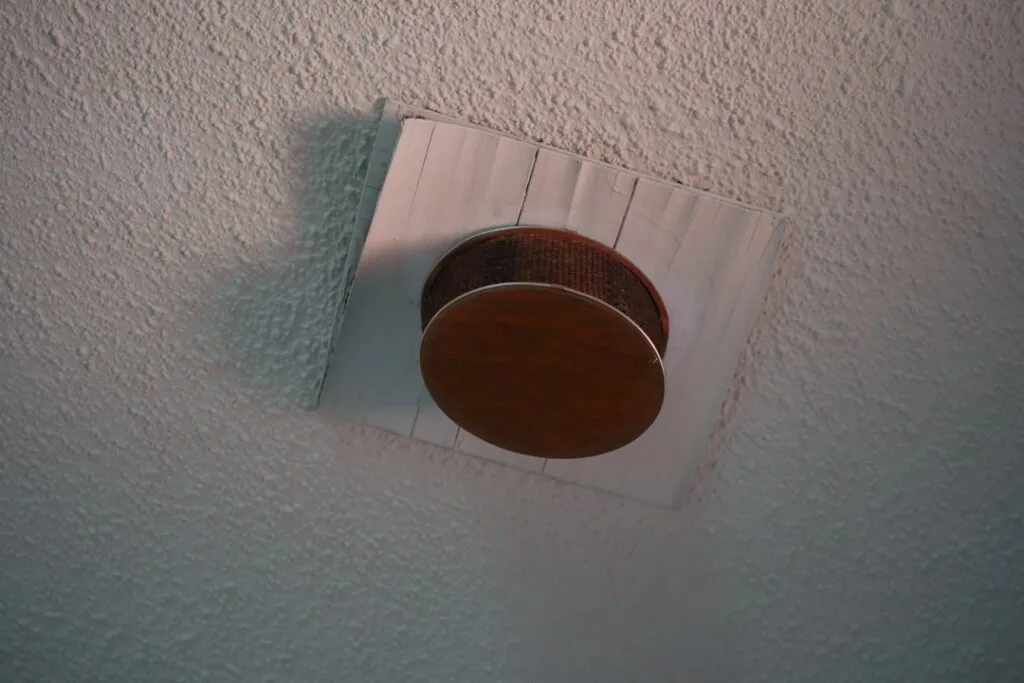
Last month, a Chicago apartment building faced a $3.2 million lawsuit after a tenant died in a fire. The cause? A smoke detector with a dead battery that hadn’t been changed in over two years. What seemed like a simple maintenance task became a property manager’s worst nightmare.
Smoke detector battery maintenance might seem straightforward, but it’s one of the most commonly overlooked life safety requirements—and the liability implications are staggering. Here’s why this “simple” task is causing major problems for property managers nationwide.
The Hidden Complexity of Battery Maintenance
Most property managers think smoke detector maintenance is just about changing batteries twice a year. The reality is far more complex:
- Mixed detector types: Buildings often have hardwired detectors with backup batteries, battery-only units, and 10-year sealed units all in the same property
- Tenant interference: Residents frequently remove batteries from chirping detectors, leaving units non-functional for months
- Access challenges: High ceilings, locked units, and tenant scheduling make systematic battery changes difficult
- Record keeping gaps: Many buildings lack proper documentation of when batteries were last changed or tested
The Legal and Insurance Implications
When smoke detectors fail due to dead batteries, property owners face severe consequences:
“Insurance companies are increasingly denying claims when proper smoke detector maintenance can’t be documented. We’re seeing settlements in the millions when battery neglect contributes to fire deaths.” – Property Insurance Attorney
Key liability risks include:
- Wrongful death lawsuits: Families can sue for millions when detector failure contributes to fatalities
- Insurance claim denials: Carriers may refuse coverage if maintenance records are inadequate
- Code violations: Most jurisdictions require functional smoke detectors, with fines for non-compliance
- Criminal charges: In extreme cases, property owners have faced manslaughter charges
Common Battery Maintenance Failures
After reviewing hundreds of fire incidents, these patterns emerge consistently:
The “Chirp Removal” Problem: Tenants remove batteries from chirping detectors rather than reporting the issue. One New York building discovered 40% of their smoke detectors had missing batteries during a routine inspection.
The “Assumed Hardwired” Issue: Staff assume hardwired detectors don’t need battery changes, not realizing most have backup batteries that require replacement.
The “Scheduling Gap”: Buildings plan battery changes during daylight saving time shifts but fail to account for tenant availability, leaving many units unchecked for months.
Building a Bulletproof Battery Program
Successful properties implement systematic approaches that eliminate guesswork:
1. Complete Detector Inventory
Document every smoke detector in your building:
- Location and unit number
- Detector type (hardwired, battery-only, sealed)
- Battery type required
- Last service date
- Next scheduled maintenance
2. Standardized Maintenance Schedule
Don’t rely on daylight saving time reminders. Create a systematic schedule:
- Battery-only detectors: Every 12 months
- Hardwired backup batteries: Every 24 months
- Monthly testing for all units
- Immediate replacement for any chirping detectors
3. Tenant Communication Strategy
Clear communication prevents tenant interference:
- Annual notices explaining detector maintenance schedules
- Instructions for reporting chirping or malfunctioning detectors
- Penalties for tampering with smoke detectors
- Emergency contact information for after-hours detector issues
Technology Solutions That Actually Work
Modern buildings are moving beyond manual tracking:
Smart Smoke Detectors: Connected detectors that report battery status, tampering, and malfunctions directly to property management systems.
Digital Tracking Systems: Tools that schedule maintenance, track completion, and generate compliance reports automatically.
Mobile Inspection Apps: Allow maintenance staff to update detector status in real-time, with photo documentation and GPS verification.
Documentation That Protects You
Proper records are your best legal protection. Essential documentation includes:
- Signed work orders for each detector serviced
- Photos showing battery installation and detector functionality
- Test results for each detector after battery replacement
- Tenant acknowledgment of access for maintenance
- Vendor certifications for any contracted work
“The difference between a dismissed lawsuit and a million-dollar settlement often comes down to documentation. Courts want to see systematic maintenance with proper records.” – Life Safety Compliance Expert
Red Flags That Demand Immediate Action
Watch for these warning signs in your battery maintenance program:
- More than 5% of detectors chirping at any given time
- Maintenance staff reporting frequent “missing battery” discoveries
- Tenant complaints about non-functional detectors
- Gaps in maintenance records longer than 30 days
- Fire department citations during inspections
The Cost of Getting It Right
Implementing a comprehensive smoke detector battery program costs far less than the alternative. A typical 100-unit building might spend $2,000 annually on proper battery maintenance and tracking. Compare that to potential lawsuit settlements, insurance premium increases, and regulatory fines that can easily exceed $100,000.
The simplest maintenance task in your building might also be the most legally dangerous. Don’t let smoke detector battery neglect become your next crisis. Implement systematic tracking, maintain detailed records, and treat this “simple” task with the seriousness it deserves.

