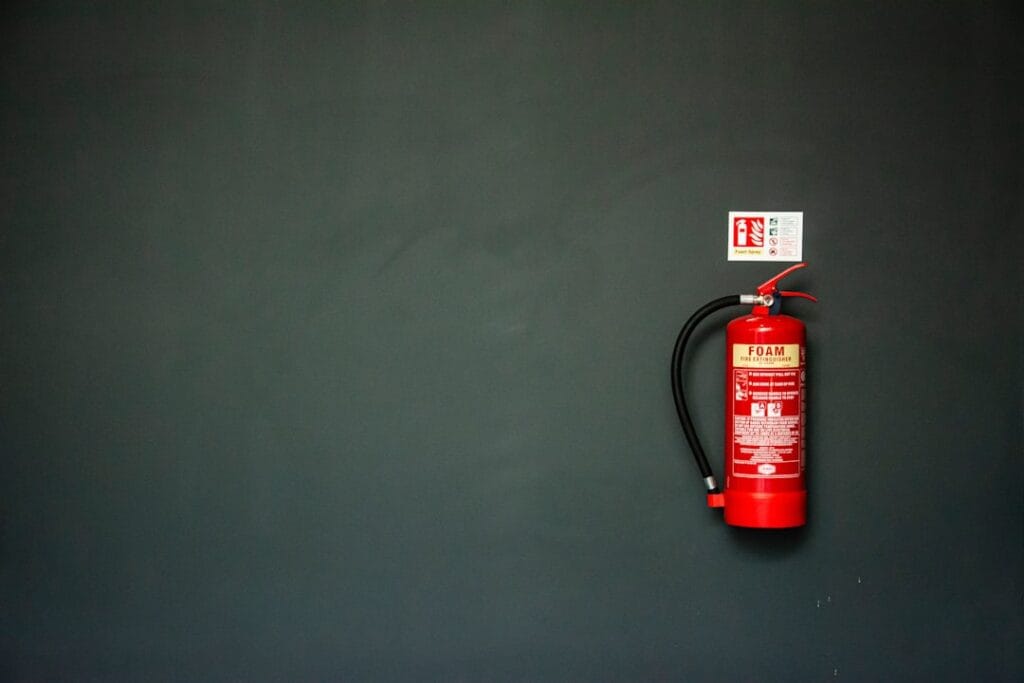
Walk through any commercial building and you’ll see them mounted on walls every 75 feet: fire extinguishers. They’re so common that most property managers treat them as “set it and forget it” equipment. That’s a costly mistake.
NFPA 10 requires monthly visual inspections of all portable fire extinguishers, yet industry data shows that 60% of commercial buildings fail to maintain proper inspection records. This isn’t just a compliance issue—it’s a liability time bomb that can cost buildings hundreds of thousands in fines and insurance claims.
The Monthly Inspection Requirement
NFPA 10, Standard for Portable Fire Extinguishers, mandates that all fire extinguishers receive a visual inspection at least monthly. This isn’t a suggestion—it’s a code requirement enforced by local fire marshals and insurance carriers.
The monthly inspection must verify:
- Extinguisher is in designated location and accessible
- Safety seals and tamper indicators are intact
- Pressure gauge shows proper pressure (green zone)
- No obvious physical damage or corrosion
- Operating instructions are legible
- Inspection tag is current and properly signed
Each inspection must be documented with the date and inspector’s initials on the attached tag. Missing or incomplete documentation is treated the same as a missed inspection during fire department visits.
Why Buildings Skip Monthly Inspections
The most common excuse? “We have annual service.” While NFPA 10 does require annual maintenance by a certified technician, this doesn’t replace the monthly visual inspections. The annual service covers internal inspection, pressure testing, and recharging—but a lot can happen in 11 months.
Other reasons buildings fail monthly inspections:
- Staff turnover: The maintenance person who “always did it” left, and nobody picked up the task
- Unclear responsibility: Property management assumes the vendor handles it; vendor assumes building staff does
- Poor tracking: No system to ensure all extinguishers are checked monthly
- Access issues: Extinguishers in tenant spaces or locked areas get forgotten
The Real Cost of Non-Compliance
A Chicago office building learned this lesson the hard way in 2023. During a routine fire inspection, the fire marshal discovered that 40% of the building’s fire extinguishers hadn’t been inspected in over six months. Three had pressure gauges in the red zone, and one was completely discharged.
The result: $15,000 in fines, a 30-day compliance order that disrupted tenant operations, and increased insurance premiums. The building’s insurance carrier also flagged the property for additional scrutiny, requiring quarterly compliance reports for two years.
“Fire extinguishers are the first line of defense in small fires. A discharged or depressurized extinguisher is worse than no extinguisher—it gives people false confidence in an emergency.” – Fire Marshal, Cook County
Creating a Bulletproof Inspection System
Successful buildings treat fire extinguisher inspections like any other critical maintenance task—with clear responsibility, systematic tracking, and accountability measures.
Step 1: Complete Inventory
Create a master list of every fire extinguisher in your building, including:
- Location (floor, room number, nearest landmark)
- Type and size (2A:10B:C, 5 lbs, etc.)
- Serial number
- Last annual service date
- Unique building asset number
Step 2: Assign Clear Responsibility
Designate specific staff members for monthly inspections. Larger buildings often assign by floor or building section. Make sure backup staff are trained for coverage during vacations or sick days.
Step 3: Use a Systematic Route
Develop a logical inspection route that ensures no extinguishers are missed. Many buildings print floor plans with extinguisher locations marked, creating a physical checklist for inspectors.
Step 4: Document Everything
Beyond the required tag signatures, maintain a master log showing:
- Date of inspection
- Inspector name
- Any issues found
- Corrective actions taken
- Follow-up required
Common Issues Found During Monthly Inspections
Monthly inspections regularly catch problems that could render extinguishers useless in an emergency:
Pressure Loss: Extinguishers can lose pressure due to temperature changes, seal degradation, or minor leaks. A monthly check catches this before the gauge drops to zero.
Physical Damage: Dents, corrosion, or damaged hoses often result from building maintenance activities or tenant moves. Early detection prevents complete failure.
Missing Components: Pull pins, safety seals, and instruction labels can disappear. Monthly inspections ensure everything is present and functional.
Blocked Access: Storage boxes, furniture, or construction materials can block extinguisher access. Monthly checks ensure clear access paths.
Technology Solutions for Tracking
Modern buildings increasingly use digital tools to manage fire extinguisher inspections. QR codes on each extinguisher link to digital inspection forms, automatically tracking completion dates and flagging overdue inspections.
Key features of effective digital systems include:
- Automated reminders for upcoming inspections
- Photo documentation of issues
- Integration with work order systems
- Compliance reporting for fire department visits
- Vendor coordination for annual service
Insurance and Liability Considerations
Insurance carriers increasingly scrutinize fire safety compliance during claim investigations. A building fire with incomplete extinguisher inspection records can lead to claim denials or significant coverage reductions.
Property managers should also consider liability exposure. If a small fire spreads because an extinguisher was inoperable and wasn’t caught during monthly inspections, the building could face negligence claims from affected tenants.
Making Monthly Inspections Routine
The key to consistent fire extinguisher compliance is making monthly inspections as routine as changing HVAC filters or testing emergency lighting. Set calendar reminders, assign backup staff, and treat missed inspections as seriously as any other maintenance failure.
Remember: fire extinguishers are only effective if they work when needed. Monthly inspections are your guarantee that they will.

