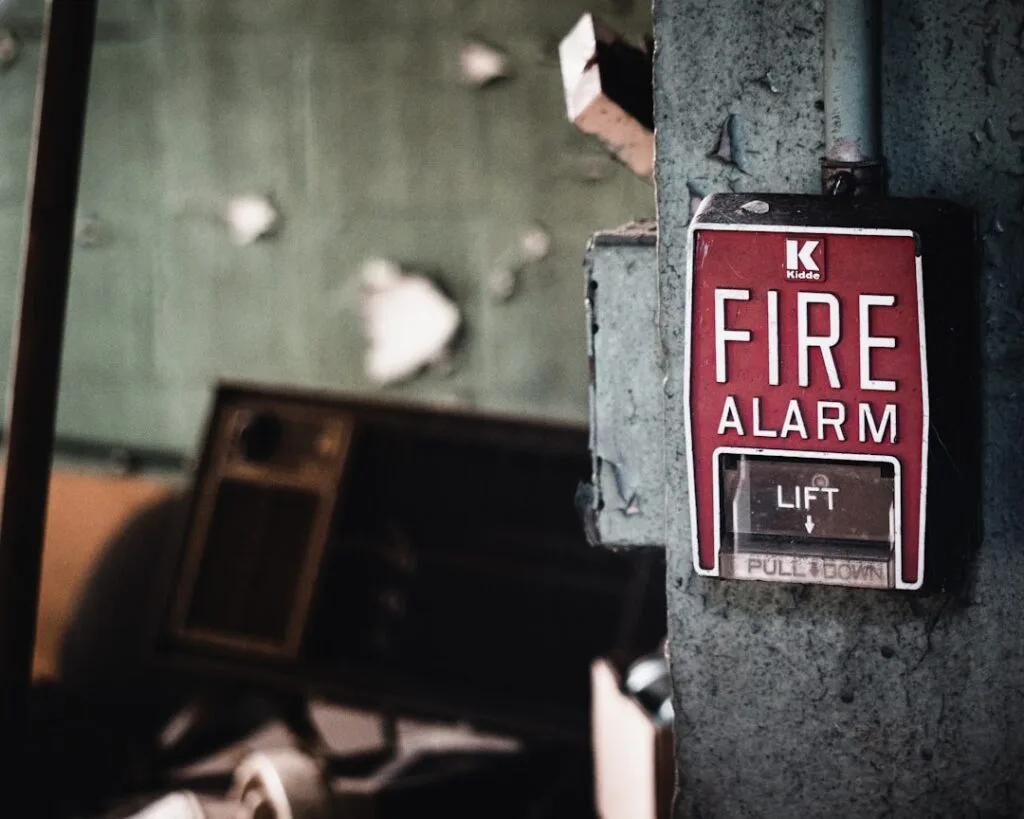
Walk through any commercial building and you’ll see fire alarm devices everywhere—pull stations, smoke detectors, horns, and strobes. Yet despite their critical importance, monthly fire alarm testing remains one of the most commonly skipped maintenance requirements in commercial properties.
According to industry surveys, approximately 40% of commercial buildings fail to conduct proper monthly fire alarm testing as required by NFPA 72. This isn’t just a paperwork issue—it’s a life safety risk that can result in system failures during actual emergencies, regulatory violations, and significant liability exposure.
Understanding NFPA 72 Monthly Testing Requirements
NFPA 72, the National Fire Alarm and Signaling Code, mandates specific monthly testing procedures for fire alarm systems. These requirements aren’t suggestions—they’re code requirements that most jurisdictions adopt and enforce.
Monthly testing must include:
- Testing of all notification appliances (horns, strobes, speakers)
- Verification of proper signal transmission to monitoring stations
- Battery backup testing for control panels
- Documentation of all test results and any deficiencies found
The testing must be conducted by qualified personnel who understand the system’s operation and can properly interpret results. This typically means certified fire alarm technicians or trained building engineers.
Why Buildings Skip Monthly Testing
Several factors contribute to the high non-compliance rate with monthly fire alarm testing:
Cost concerns: Many property managers view monthly testing as an unnecessary expense, especially when systems appear to be functioning normally. A typical monthly test can cost $200-500 depending on building size and system complexity.
Scheduling challenges: Monthly testing requires coordinating with tenants, especially in occupied buildings where alarms will sound during testing. Many buildings postpone testing to avoid disruption, then forget to reschedule.
Lack of understanding: Some property teams don’t fully grasp the legal requirements or assume that annual inspections are sufficient. They may not realize that monthly testing is a separate, additional requirement.
Vendor reliability issues: Buildings that rely on external contractors sometimes experience scheduling conflicts or service gaps that result in missed testing cycles.
The Real Consequences of Skipped Testing
The risks of skipping monthly fire alarm testing extend far beyond potential fines. Consider what happened at a Chicago office building in 2023: during an actual fire event, several notification devices failed to activate because corroded connections had gone undetected for months. While no injuries occurred, the building faced significant liability exposure and emergency response complications.
Monthly testing isn’t just about compliance—it’s about ensuring your fire alarm system will actually work when lives depend on it.
Common issues discovered during monthly testing include:
- Battery backup failures that would prevent system operation during power outages
- Faulty notification devices that fail to alert occupants
- Communication problems with monitoring stations
- Sensor drift or contamination affecting detection capabilities
These problems often develop gradually and aren’t apparent during normal operation. Monthly testing catches them before they become critical failures.
Proper Monthly Testing Procedures
Effective monthly fire alarm testing follows a systematic approach:
Pre-testing preparation: Notify all building occupants, coordinate with monitoring companies, and ensure testing personnel have proper access to all areas.
System testing sequence: Begin with control panel checks, then systematically test notification devices throughout the building. Document the time, location, and results of each test.
Battery testing: Verify backup battery condition and capacity. This often involves temporarily disconnecting primary power to ensure batteries can maintain system operation.
Communication verification: Confirm that alarm signals properly transmit to monitoring stations and that all required parties receive notifications.
Documentation: Record all test results, including any deficiencies found and corrective actions taken. This documentation is crucial for code compliance and liability protection.
Building an Effective Testing Program
Successful monthly fire alarm testing requires systematic planning and execution. Start by establishing clear procedures that specify who conducts testing, when it occurs, and how results are documented.
Many buildings benefit from scheduling testing on the same day each month—such as the first Tuesday—to establish routine and prevent missed cycles. This also helps with tenant communication and expectations.
Consider investing in staff training for basic testing procedures. While complex diagnostics require certified technicians, building engineers can often handle routine monthly checks with proper training and equipment.
Technology Solutions for Testing Management
Modern life safety management systems can significantly improve monthly testing compliance. Digital tools can automate scheduling, send testing reminders, and maintain comprehensive documentation records.
Some advanced fire alarm panels now include remote testing capabilities, allowing certain functions to be verified without physical presence at each device. However, visual inspection and hands-on testing remain essential components that can’t be fully automated.
Mobile apps and cloud-based systems also enable real-time documentation during testing, reducing paperwork errors and ensuring complete records.
Working with Qualified Service Providers
While some testing can be performed in-house, many buildings benefit from partnering with qualified fire alarm service companies. When selecting a provider, verify their certifications, insurance coverage, and track record with similar properties.
Establish clear service agreements that specify testing schedules, response times for deficiency corrections, and documentation requirements. Regular provider performance reviews help ensure consistent service quality.
The Bottom Line on Fire Alarm Testing
Monthly fire alarm testing isn’t optional—it’s a code requirement that directly impacts life safety. The 40% of buildings that skip this testing are accepting unnecessary risk and potential liability.
The relatively small cost of monthly testing pales in comparison to the potential consequences of system failures during actual emergencies. Property managers who establish robust testing programs protect both their buildings and their organizations while maintaining compliance with life safety codes.
Don’t let your building become part of the 40% that skips this critical requirement. Implement systematic monthly testing procedures, maintain proper documentation, and work with qualified service providers to ensure your fire alarm system will perform when it matters most.

