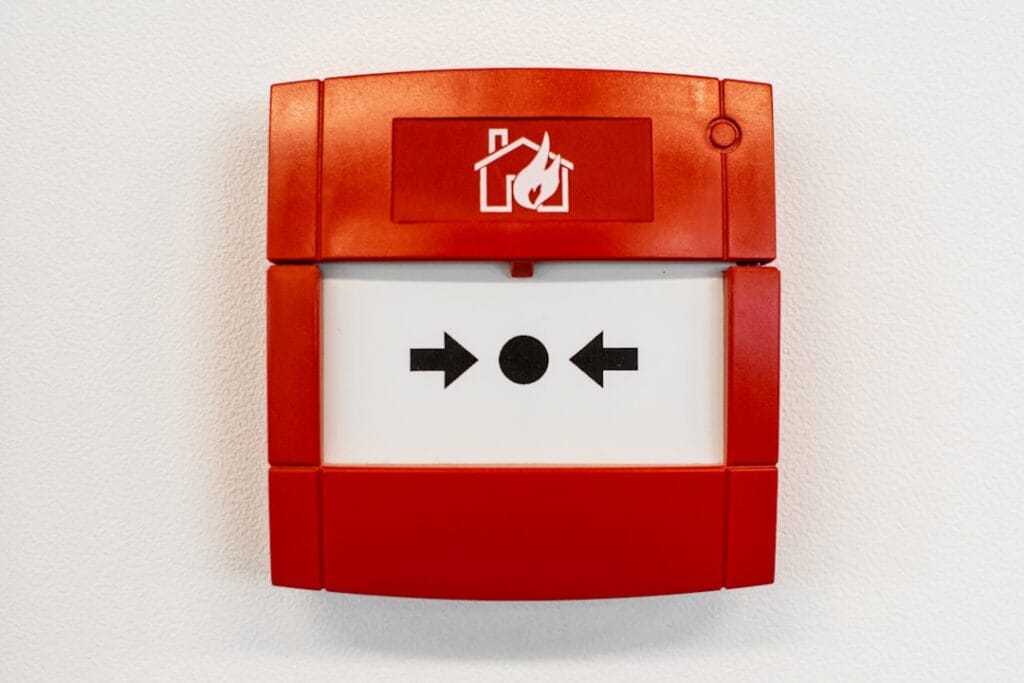
False fire alarms cost the average commercial building between $30,000 and $75,000 annually in emergency response fees, lost productivity, and tenant complaints. Yet most property managers treat these incidents as unavoidable nuisances rather than preventable maintenance issues.
The reality is stark: poorly maintained fire alarm control panels (FACPs) are the leading cause of false alarms in commercial buildings. Understanding why these systems fail—and implementing targeted maintenance strategies—can dramatically reduce your false alarm rate and associated costs.
The True Cost of False Alarms
When a fire panel sends a false alarm, the financial impact extends far beyond the $500-$1,500 emergency response fee many municipalities charge:
- Emergency response penalties: $6,000-$18,000 annually for repeat offenders
- Lost productivity: Full building evacuations cost $2,000-$5,000 per incident in lost work time
- Tenant relations: Frequent false alarms lead to lease renewals at 5-10% below market rate
- Insurance implications: Some carriers increase premiums after 6+ false alarms per year
- Staff overtime: After-hours false alarms trigger emergency response protocols
One Chicago office building reduced their false alarm rate from 24 incidents per year to just 3 by implementing systematic fire panel maintenance—saving over $45,000 annually in direct costs.
Why Fire Panels Generate False Alarms
Fire alarm control panels are essentially computers managing hundreds of connected devices. Like any computer system, they require regular maintenance to function reliably. The most common failure points include:
Dirty or Corroded Connections: Dust, moisture, and oxidation create electrical resistance that the panel interprets as device failures. This is especially problematic in basement mechanical rooms and parking garages.
Aging Smoke Detectors: Photoelectric smoke detectors become increasingly sensitive as dust accumulates in their chambers. After 10 years, replacement is typically more cost-effective than repeated cleaning.
Environmental Factors: Temperature fluctuations, humidity changes, and electromagnetic interference from nearby equipment can trigger false readings.
Software Glitches: Outdated firmware and corrupted programming files cause panels to misinterpret normal system functions as alarm conditions.
Implementing Effective Fire Panel Maintenance
Reducing false alarms requires moving beyond basic annual inspections to proactive maintenance protocols:
Quarterly System Health Checks: Have your fire life safety vendor perform diagnostic tests on the panel’s CPU, power supplies, and communication modules. These 30-minute inspections identify potential issues before they trigger false alarms.
Annual Detector Sensitivity Testing: Rather than simply testing that detectors respond to smoke, measure their actual sensitivity levels. Detectors operating outside manufacturer specifications should be cleaned or replaced immediately.
Environmental Monitoring: Install temperature and humidity sensors in fire panel locations. Extreme conditions accelerate component degradation and increase false alarm risk.
Firmware Updates: Work with your vendor to ensure panels run current software versions. Many false alarms result from known bugs that manufacturers have already fixed.
“We reduced our false alarm rate by 80% simply by implementing quarterly panel diagnostics and replacing detectors based on sensitivity testing rather than age alone.” – Chief Engineer, 2.3M sq ft portfolio
Vendor Selection and Management
Not all fire life safety vendors understand the connection between maintenance quality and false alarm rates. When evaluating vendors, ask specific questions:
- Do they perform sensitivity testing on individual detectors?
- Can they provide false alarm rate data from similar buildings?
- Do they maintain firmware update schedules for different panel manufacturers?
- Will they guarantee false alarm reduction targets in their service contract?
The best vendors use diagnostic software to analyze panel performance trends and predict component failures before they occur. This proactive approach typically reduces false alarms by 60-90% within the first year.
Documentation and Compliance Benefits
Systematic fire panel maintenance creates valuable documentation for insurance claims, regulatory inspections, and tenant relations:
Maintenance Records: Detailed service logs demonstrate due diligence if false alarms cause business interruption claims.
Compliance Documentation: NFPA 72 requires annual testing, but proactive maintenance often exceeds minimum requirements, strengthening your compliance position.
Tenant Communication: When false alarms do occur, you can show tenants the specific steps being taken to prevent recurrence.
Technology Solutions
Modern fire panels offer advanced diagnostic capabilities that many buildings underutilize:
Remote Monitoring: Cloud-connected panels can alert maintenance teams to developing issues before they trigger false alarms.
Predictive Analytics: Some systems analyze detector performance patterns to predict when cleaning or replacement will be needed.
Mobile Diagnostics: Technicians can use smartphone apps to perform detailed system diagnostics during routine visits.
Measuring Success
Track these metrics to evaluate your false alarm reduction efforts:
- False alarms per month (target: less than 1 per quarter)
- Emergency response fees (should decrease 70-90%)
- Time between detector cleaning/replacement cycles
- Tenant complaints related to fire alarm disruptions
Buildings that implement comprehensive fire panel maintenance typically see measurable results within 90 days. The investment in proactive maintenance—usually $2,000-$5,000 annually for a mid-size building—pays for itself through reduced false alarm costs alone.
False fire alarms aren’t inevitable. They’re symptoms of inadequate maintenance that property managers can address through systematic, proactive care of their fire life safety systems.

