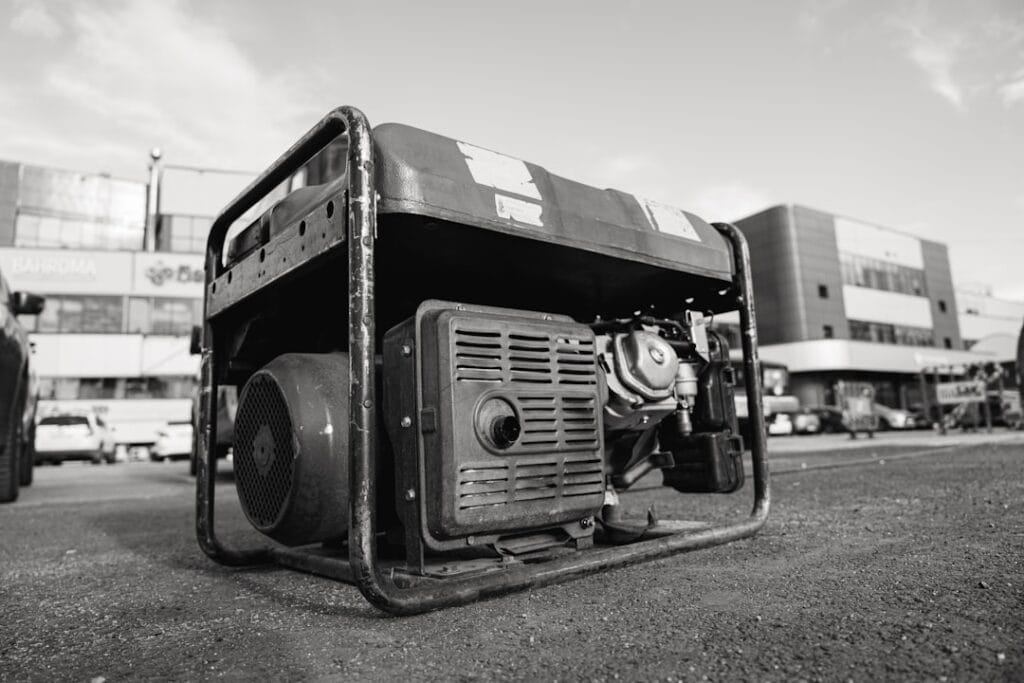
Emergency generators are your building’s lifeline during power outages, but they’re also one of the most overlooked components in life safety compliance. With NFPA 110 requirements becoming increasingly stringent and enforcement ramping up nationwide, property managers can’t afford to treat generator maintenance as an afterthought.
Recent data shows that 40% of emergency generators fail to start during actual emergencies—a statistic that should alarm any building owner. The consequences extend far beyond inconvenience: failed generators can result in life safety violations, insurance claim denials, and in worst-case scenarios, tragic outcomes during emergencies.
Understanding NFPA 110 Testing Requirements
NFPA 110 mandates specific testing schedules that many properties struggle to maintain consistently. The standard requires weekly testing for Level 1 systems (critical facilities like hospitals) and monthly testing for Level 2 systems (most commercial buildings).
Here’s what your testing schedule should include:
- Weekly Tests: 30-minute minimum run time under load, visual inspection of fuel levels, battery condition checks
- Monthly Tests: Full load testing, transfer switch operation verification, fuel system inspection
- Annual Tests: Comprehensive load bank testing, fuel quality analysis, cooling system inspection
The key detail most properties miss? Documentation requirements. NFPA 110 doesn’t just require testing—it demands detailed records of every test, including load measurements, run times, and any deficiencies found.
Common Generator Compliance Failures
After reviewing hundreds of generator inspection reports, three patterns emerge consistently:
Inadequate Load Testing: Many facilities run generators without proper load, essentially testing nothing more than the engine’s ability to idle. True load testing requires connecting the generator to actual building loads or using load banks to simulate real-world conditions.
Transfer Switch Neglect: The transfer switch is often the weakest link in emergency power systems. Monthly testing should verify automatic transfer times, manual transfer capabilities, and proper voltage regulation during switching.
Fuel System Oversights: Diesel fuel degrades over time, creating sludge that can clog fuel lines during emergencies. Annual fuel polishing and quarterly fuel quality testing aren’t just good practice—they’re essential for reliability.
A Chicago office building learned this lesson the hard way when their generator failed during a winter storm because degraded fuel had crystallized in sub-zero temperatures. The building lost heat for 18 hours, resulting in frozen pipes, tenant displacement, and a six-figure insurance claim that was partially denied due to maintenance negligence.
Regulatory Enforcement Trends
Fire marshals are increasingly focusing on generator compliance during inspections. In New York City, the FDNY issued over 300 violations related to emergency power systems in 2024—a 60% increase from the previous year.
The violations typically fall into three categories:
- Incomplete or missing test records (45% of violations)
- Failed load testing requirements (30% of violations)
- Expired permits or certifications (25% of violations)
These aren’t minor infractions. Generator violations often carry significant fines and can trigger more comprehensive building inspections that uncover additional compliance issues.
Insurance Implications You Can’t Ignore
Insurance companies are becoming more sophisticated about generator-related claims. A failed generator during a power outage can lead to business interruption claims, spoiled inventory, or worse—but insurers are increasingly scrutinizing maintenance records before paying claims.
Key insurance considerations include:
Maintenance Documentation: Insurers expect to see consistent, professional maintenance records. Gap in documentation can be grounds for claim denial, even if the generator was actually maintained.
Load Testing Verification: Some policies now specifically require annual load bank testing. Without proper documentation, you may find yourself without coverage when you need it most.
Fuel Quality Records: Claims related to fuel system failures are often denied if regular fuel testing wasn’t performed and documented.
Building a Reliable Generator Maintenance Program
Successful generator programs share common characteristics that go beyond basic compliance:
Vendor Qualification: Not all generator service providers understand NFPA 110 requirements. Ensure your vendor is certified and provides detailed compliance reporting, not just basic maintenance summaries.
Predictive Maintenance: Modern generators include diagnostic systems that can predict failures before they occur. Regular analysis of engine parameters, vibration data, and electrical measurements can prevent emergency failures.
Emergency Response Planning: Your generator maintenance program should include protocols for emergency repairs and backup power arrangements when the primary generator is offline for service.
Technology Solutions for Generator Management
Digital tools are transforming generator compliance management. Remote monitoring systems can track run times, load levels, and system faults in real-time, automatically generating compliance reports and alerting managers to potential issues.
Key features to look for include:
- Automated test scheduling and documentation
- Real-time performance monitoring
- Integration with building management systems
- Compliance reporting that meets NFPA 110 requirements
These systems don’t replace professional maintenance, but they provide the documentation and oversight necessary for consistent compliance.
Taking Action on Generator Compliance
Generator compliance isn’t optional—it’s a critical component of building safety and risk management. Start by auditing your current program against NFPA 110 requirements, focusing on testing frequency, load verification, and documentation quality.
If your records show gaps or your last load test was more than a year ago, schedule comprehensive testing immediately. The cost of proper generator maintenance is minimal compared to the potential consequences of failure during an actual emergency.
Remember: your emergency generator is only as reliable as your maintenance program. In an emergency, there are no second chances to get it right.

