When the lights go out, your building’s fire safety systems face their ultimate test. Recent power grid failures across the country have exposed a critical vulnerability: many property managers don’t fully understand which fire safety systems require backup power—and which failures during outages can result in devastating liability.
The consequences extend far beyond inconvenience. During Hurricane Ida in 2021, multiple buildings lost fire safety system functionality during extended outages, leading to evacuations and significant insurance claims. One Manhattan high-rise faced a $1.2 million lawsuit when their fire pump failed during a blackout, compromising sprinkler system pressure during an actual fire emergency.
Critical Fire Safety Systems That Need Backup Power
Not all fire safety systems are created equal when it comes to power requirements. Understanding which systems must maintain functionality during outages is essential for compliance and liability protection.
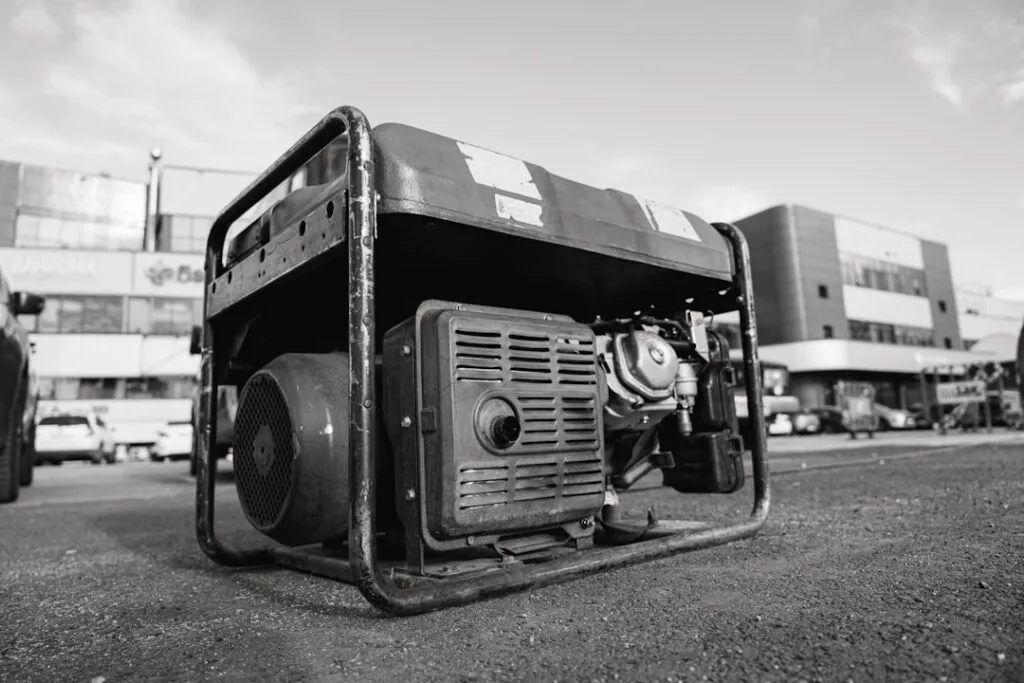
Emergency generators must automatically start within 10 seconds of power loss for fire pump systems, according to NFPA 20 requirements.
Fire Pumps: These are your highest priority. Fire pumps maintaining sprinkler system pressure must have reliable backup power that starts automatically. A manual transfer switch isn’t sufficient—the system must engage without human intervention.
Fire Alarm Systems: While most have built-in battery backup for 24-72 hours, extended outages can drain these reserves. Your emergency generator should include fire alarm panels in the automatic transfer switch configuration.
Emergency Lighting: Battery backup typically provides 90 minutes of illumination, but longer outages require generator support for egress lighting and exit signs.
Elevator Recall Systems: Fire service elevator operation requires power for emergency personnel access. At least one elevator must be on emergency power in buildings over 75 feet tall.
The Generator Testing Gap Most Buildings Miss
Having an emergency generator isn’t enough—it must work when needed. NFPA 110 requires monthly testing under load conditions, but many buildings only perform no-load tests that miss critical failure points.
During load testing, generators must demonstrate they can actually power the connected fire safety systems. This means running the fire pump, engaging elevator recall, and operating emergency lighting simultaneously. Many generators that pass no-load tests fail spectacularly when asked to handle actual emergency loads.
Documentation requirements are equally critical. Insurance companies increasingly scrutinize generator testing records during claims investigations. Missing or incomplete test records can void coverage even if the generator functioned properly during the actual emergency.
Transfer Switch Vulnerabilities
The transfer switch—the component that shifts power from utility to generator—represents the weakest link in most backup power systems. These mechanical devices require regular maintenance and testing that many buildings neglect.
Common transfer switch failures include:
- Corroded contacts preventing proper power transfer
- Faulty sensors that don’t detect utility power loss
- Mechanical linkages that stick during switching operations
- Control circuits damaged by power surges
Monthly transfer switch testing should simulate actual power loss conditions, not just exercise the mechanical components. The entire sequence—from power loss detection through generator start and load transfer—must be verified monthly.
Fuel System Management
Generator fuel systems present another compliance challenge often overlooked until an emergency strikes. NFPA 110 requires fuel sufficient for the generator’s rated load for specific durations based on system classification.
Most fire safety applications require Level 1 systems with 24-hour fuel capacity at full load. However, fuel degrades over time, and contaminated fuel can cause generator failure during critical moments. Fuel quality testing should occur annually, with fuel polishing or replacement as needed.
Fuel tank monitoring systems help prevent the embarrassing scenario of generators shutting down during extended outages due to empty tanks. Remote monitoring can alert facility staff to low fuel levels and automatically schedule delivery.
Code Compliance During Extended Outages
When backup power systems fail or fuel runs out during extended outages, buildings face immediate code compliance issues. Fire marshals have authority to order evacuations when fire safety systems cannot function properly.
Developing contingency plans for extended outages protects both occupants and ownership from liability. These plans should include:
- Fire watch procedures when detection systems fail
- Alternative water supply arrangements if fire pumps lose power
- Coordination with local fire departments for enhanced response
- Occupant notification and potential evacuation procedures
Insurance Implications
Property insurance policies typically include specific requirements for backup power systems protecting fire safety equipment. Failure to maintain these systems according to manufacturer and code requirements can result in coverage denial.
Insurance companies are particularly focused on generator maintenance records, fuel quality documentation, and transfer switch testing logs. A well-documented maintenance program demonstrates due diligence and supports coverage claims.
One property management company avoided a $3.8 million coverage denial by providing comprehensive generator maintenance records after a fire occurred during a power outage.
Vendor Coordination
Managing multiple vendors for generator, transfer switch, and fuel system maintenance requires careful coordination. Each component affects the others, and poor communication between vendors can create dangerous gaps in system reliability.
Establishing a single point of contact for backup power system coordination helps ensure all components work together properly. Regular integrated testing involving all vendors helps identify compatibility issues before emergencies occur.
Technology Solutions
Modern monitoring systems can provide real-time status updates for all backup power components. These systems alert facility staff immediately when generators fail to start, transfer switches malfunction, or fuel levels drop below safe thresholds.
Remote monitoring also enables predictive maintenance by tracking generator performance trends, fuel consumption patterns, and transfer switch operation cycles. This data helps identify potential failures before they occur during actual emergencies.
Power outages will continue challenging building operations, but proper backup power system management ensures fire safety compliance regardless of grid conditions. The investment in reliable backup power systems and comprehensive maintenance programs pays dividends when the lights go out and lives depend on your fire safety systems working perfectly.

