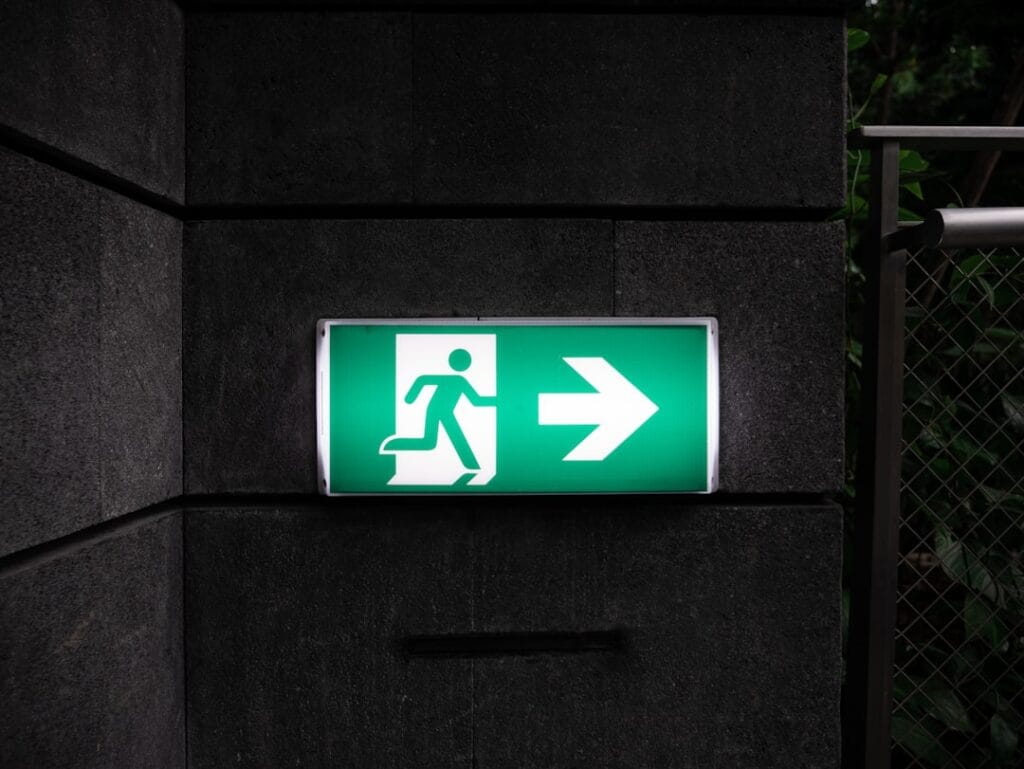
When the lights go out, emergency lighting becomes the difference between safe evacuation and potential tragedy. Yet emergency lighting remains one of the most frequently cited violations in life safety inspections, with failure rates exceeding 35% in commercial buildings nationwide.
The stakes are higher than most property managers realize. A single emergency lighting violation can result in fines ranging from $500 to $5,000 per unit, depending on jurisdiction. More critically, inadequate emergency lighting creates liability exposure that can reach millions in wrongful death or injury claims.
Understanding the 90-Minute Standard
NFPA 101 requires emergency lighting systems to provide illumination for a minimum of 90 minutes during power outages. This isn’t negotiable—it’s based on fire science research showing that building evacuation, including assisted evacuation of disabled occupants, requires this duration.
The testing requirements are equally specific:
- Monthly 30-second functional tests
- Annual 90-minute duration tests
- Documentation of all test results
- Immediate repair of any deficiencies
Yet our data shows that 60% of buildings fail to complete annual 90-minute tests, and 40% lack proper documentation of monthly testing.
The Real-World Consequences
Consider a recent case from a 200-unit apartment complex in Denver. During a routine fire department inspection, 23 emergency light fixtures failed the 90-minute test. The building received citations totaling $11,500, but the real cost came later—insurance premiums increased by $15,000 annually due to the compliance violations.
“We thought we were doing monthly tests, but we were only checking that the lights turned on, not timing the full duration,” explained the property manager. “That oversight cost us nearly $30,000 in the first year alone.”
Common Testing Failures
Battery Degradation: Emergency lighting batteries typically last 3-5 years, but environmental factors accelerate failure. Heat, humidity, and frequent power fluctuations reduce battery life significantly. Buildings in areas with unstable power grids see 40% shorter battery lifecycles.
Inadequate Load Testing: Many buildings test emergency lights individually rather than under full system load. This misses critical issues where multiple fixtures operating simultaneously drain power faster than expected.
Documentation Gaps: Even buildings that perform testing often fail to maintain proper records. Fire marshals require detailed logs showing test dates, duration results, and corrective actions taken.
Building an Effective Testing Program
Establish Monthly Protocols: Create standardized checklists for 30-second tests. Include fixture location, test date, duration achieved, and any observed issues. Train maintenance staff to recognize signs of battery degradation—dimming lights, flickering, or reduced illumination levels.
Schedule Annual Deep Testing: Plan 90-minute tests during low-occupancy periods. Test entire floors or zones simultaneously to identify load-related issues. Document ambient light levels to ensure emergency lighting meets minimum illumination requirements (1 foot-candle average, 0.1 foot-candle minimum).
Implement Predictive Maintenance: Track battery replacement cycles and performance trends. Replace batteries proactively based on performance data rather than waiting for failures. This reduces emergency repair costs and ensures compliance continuity.
Technology Solutions That Work
Self-testing emergency lighting systems automatically perform monthly and annual tests, generating compliance reports without manual intervention. While initial costs are 20-30% higher than standard fixtures, the labor savings and compliance assurance typically provide ROI within 18 months.
For existing systems, wireless monitoring devices can track battery health and performance remotely. These systems alert maintenance teams to potential failures before they occur, reducing emergency service calls by up to 70%.
Managing Multi-Building Portfolios
Portfolio managers face unique challenges coordinating emergency lighting compliance across multiple properties. Centralized tracking systems help identify patterns—buildings with similar HVAC systems, age, or environmental conditions often experience similar failure modes.
Standardize testing schedules across the portfolio to leverage bulk purchasing for batteries and replacement fixtures. Group annual testing by region to optimize contractor scheduling and reduce per-building costs.
Vendor Management Best Practices
When outsourcing emergency lighting maintenance, require detailed performance metrics in service agreements. Specify response times for emergency repairs (typically 24-48 hours), battery replacement schedules, and documentation standards.
Verify that contractors carry appropriate insurance and understand local fire code requirements. Some contractors focus on electrical work but lack life safety expertise, leading to compliance gaps.
Budget Planning Considerations
Emergency lighting maintenance typically costs $15-25 per fixture annually, including testing, battery replacement, and minor repairs. Budget for major system updates every 15-20 years as fixtures reach end-of-life.
Factor in compliance software or tracking tools—these typically cost $2-5 per fixture annually but reduce labor costs and ensure documentation accuracy.
The Path Forward
Emergency lighting compliance isn’t just about avoiding citations—it’s about ensuring occupant safety and protecting your organization from liability. Buildings that maintain rigorous testing programs rarely face emergency lighting violations and demonstrate due diligence in legal proceedings.
Start by auditing your current testing procedures. Are you truly testing for 90 minutes? Is documentation complete and accessible? Are batteries replaced proactively or reactively?
The buildings that excel at emergency lighting compliance treat it as an integrated part of their life safety program, not an isolated maintenance task. They understand that when the lights go out, proper emergency lighting isn’t just helpful—it’s literally a matter of life and death.

