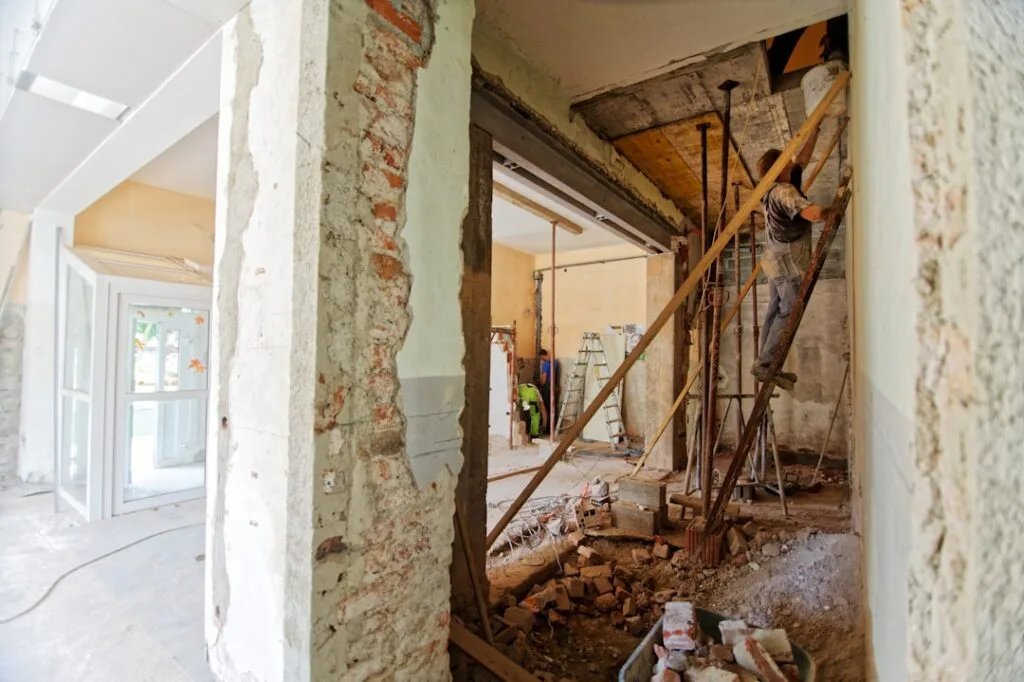
Building renovations present a unique challenge for property managers: maintaining life safety compliance while construction disrupts normal operations. With renovation activity surging as buildings modernize post-pandemic, understanding how to navigate life safety requirements during construction has never been more critical.
The stakes are high. A single oversight during renovation can result in code violations, insurance coverage gaps, or worse—compromised tenant safety. Here’s how to manage life safety compliance when your building is under construction.
The Renovation Compliance Challenge
During renovations, buildings exist in a state of controlled chaos. Fire systems may be temporarily disabled, egress routes altered, and detection equipment relocated. Each change creates potential compliance gaps that require careful management.
Consider a recent case where a Chicago office building underwent lobby renovations. The contractor accidentally damaged a fire alarm circuit, disabling smoke detection on three floors. Because no one had established proper monitoring protocols, the system remained compromised for two weeks—a violation that could have resulted in massive liability if an incident had occurred.
Pre-Construction Planning: Setting the Foundation
Successful renovation compliance starts before the first wall comes down. Your pre-construction checklist should include:
- Comprehensive system mapping to identify all life safety equipment in renovation areas
- Coordination meetings between contractors, life safety vendors, and building management
- Clear protocols for system shutdowns and temporary protection measures
- Documentation requirements for all compliance-related activities
Work with your fire protection contractor to develop a detailed impairment plan. This document should specify which systems will be affected, when shutdowns will occur, and what compensatory measures will be implemented. Remember: most jurisdictions require advance notification for planned system impairments.
Managing System Impairments
When fire protection systems must be shut down during construction, NFPA 25 requires specific compensatory measures. These aren’t suggestions—they’re mandatory requirements that carry legal weight.
Fire watch personnel must be stationed in affected areas when sprinkler systems are impaired for more than 10 hours in a 24-hour period. This requirement applies even during construction.
Document every impairment with start and end times, affected areas, and compensatory measures taken. Your insurance carrier may require this documentation to maintain coverage, and authorities having jurisdiction will expect to see it during inspections.
For extended impairments, consider temporary fire protection measures. Portable fire extinguishers, temporary detection systems, and enhanced security patrols can help bridge compliance gaps while permanent systems are offline.
Egress Route Management
Construction often requires temporary changes to egress routes, but these modifications must comply with building codes. The International Building Code requires that at least 50% of required exits remain available during construction, and temporary egress routes must meet the same capacity requirements as permanent ones.
Key egress considerations during renovation:
- Maintain required exit capacity throughout construction phases
- Ensure temporary routes are clearly marked and illuminated
- Coordinate with local fire departments on access routes
- Update emergency action plans to reflect temporary conditions
One property manager learned this lesson the hard way when their city fire marshal issued a stop-work order because construction had blocked a required exit. The resulting delays cost more than $50,000 in extended contractor fees.
Permit and Inspection Coordination
Renovation work often requires multiple permits that intersect with life safety systems. Building permits, fire department permits, and utility connections all have inspection requirements that must be coordinated.
Create a master schedule that tracks all required inspections and their dependencies. For example, fire alarm system testing can’t occur until electrical rough-in is approved, and sprinkler system testing requires both plumbing and fire department inspections.
Don’t forget about ongoing maintenance requirements during construction. Monthly fire pump tests, quarterly sprinkler valve inspections, and annual system certifications must continue even while renovation work proceeds in other areas of the building.
Contractor Management and Accountability
Clear communication with contractors is essential for maintaining compliance during renovations. Establish protocols for:
- Daily safety briefings that include life safety considerations
- Immediate notification requirements for any system impacts
- Hot work permit procedures for welding, cutting, or other fire-risk activities
- End-of-day system status verification
Many property managers require contractors to provide daily compliance reports documenting the status of all life safety systems in their work areas. This creates accountability and ensures issues are identified quickly.
Technology Solutions for Renovation Management
Modern life safety management tools can significantly simplify renovation compliance. Digital systems can track impairments in real-time, send automated notifications when compensatory measures are required, and maintain comprehensive documentation for inspections.
Look for systems that integrate with your existing property management tools and provide mobile access for on-site teams. The ability to photograph conditions, log activities, and generate reports from a smartphone can streamline compliance documentation during the chaos of construction.
Post-Construction Verification
Once construction is complete, comprehensive system testing and documentation are crucial. This includes:
- Full functional testing of all affected life safety systems
- Updated as-built drawings reflecting any system modifications
- Verification that all permits have received final approval
- Training for building staff on any system changes
Don’t assume systems are working properly just because construction is finished. A systematic approach to post-construction verification protects against hidden problems that could create future compliance issues.
Insurance and Liability Considerations
Renovation periods often represent increased liability exposure. Review your insurance coverage before construction begins to ensure you’re protected during the renovation period. Some carriers require notification of major renovations or may adjust coverage based on the scope of work.
Maintain detailed documentation throughout the renovation process. In the event of an incident, your ability to demonstrate proactive compliance management can significantly impact liability outcomes.
Building renovations don’t have to compromise life safety compliance. With proper planning, clear communication, and systematic documentation, you can successfully navigate the complexities of construction while maintaining the safety standards your tenants depend on. The key is treating compliance as an integral part of the renovation process, not an afterthought.

